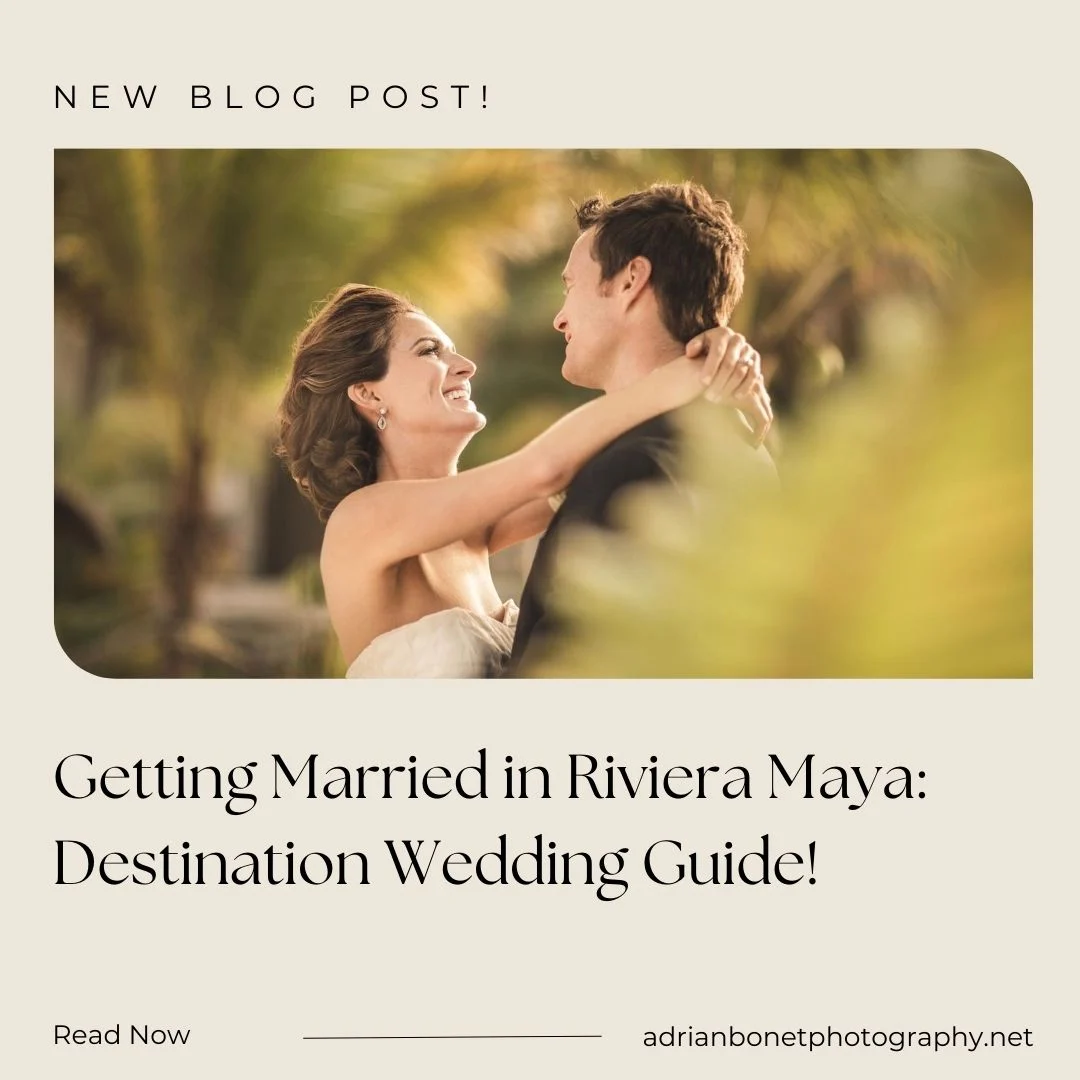
An editorial compendium on venues, design, seasonal light, and curated celebration across Mexico’s Caribbean coast.
Planning a luxury destination wedding in the Riviera Maya is an exercise in harmonizing raw coastal geography with refined architectural hospitality. Stretching from the southern boundary of Puerto Morelos through the private waterways of Mayakoba, down to the historic bluffs of Akumal and the bohemian jungle enclaves of Tulum, this coastal corridor offers an unmatched canvas for multi-day celebrations. For discerning couples investing between $60,000 and $250,000+ USD, crafting an exceptional celebration requires far more than selecting a picturesque oceanfront backdrop; it demands an intimate understanding of maritime weather patterns, seasonal tropical light, regional vendor landscapes, and the logistical choreography of hosting international guests across an unforgettable weekend.
From the perspective of an editorial destination wedding photographer, the Riviera Maya reveals its beauty through nuanced transitions of light, texture, and space. Whether trading vows in an elevated open-air palapa, beside a consecrated colonial stone chapel, or on an untouched stretch of white sand sheltered by coral reefs, the environment shapes every emotional and visual chapter of the day. This comprehensive guide serves as an authoritative editorial roadmap to navigating venues, assembling premier creative teams, curating bespoke culinary itineraries, and mastering the timeline to ensure your celebration feels effortless, authentic, and enduring.
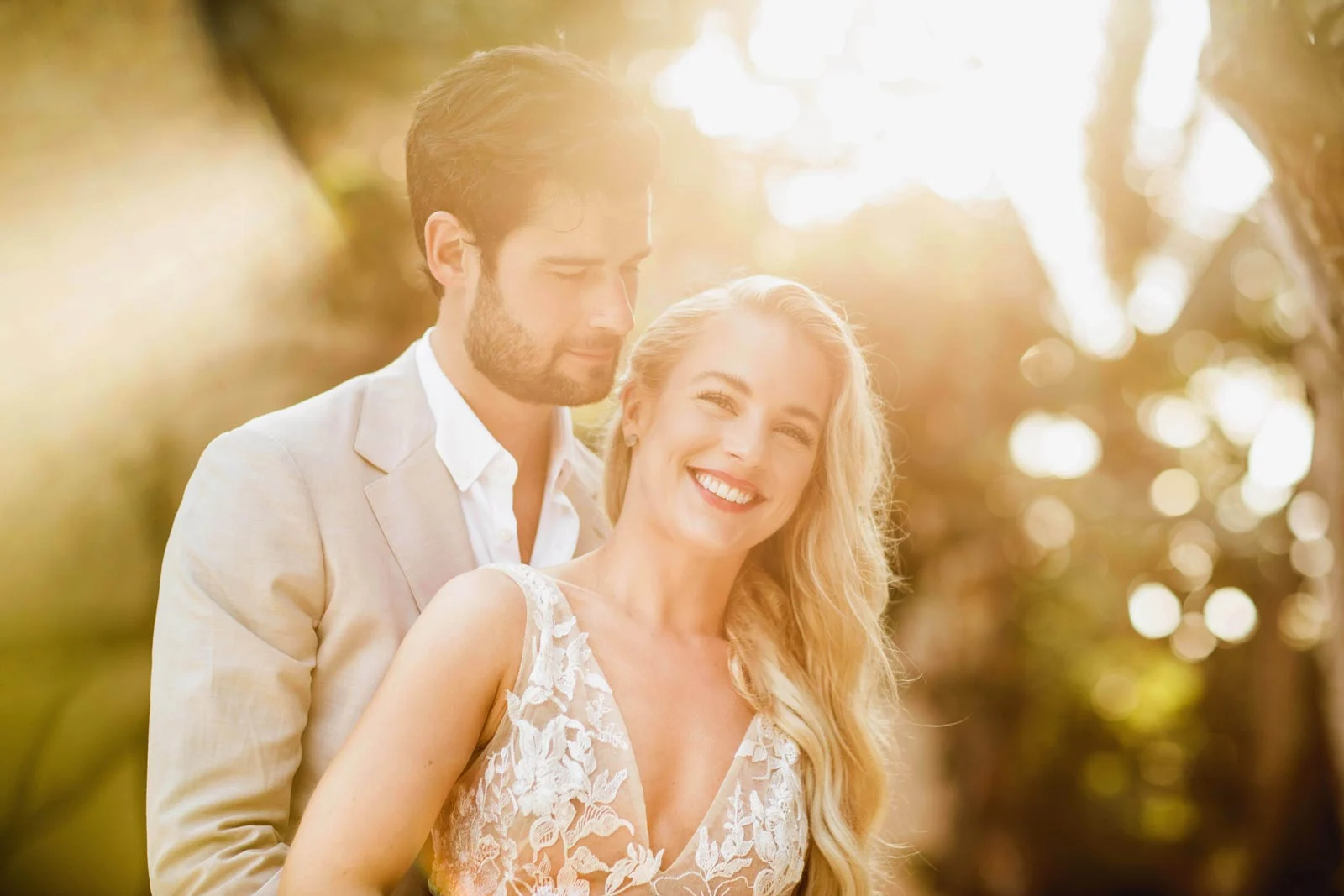
Table of Contents
- Why Riviera Maya for Luxury Weddings
- Choosing the Perfect Time of Year
- Choosing Your Riviera Maya Wedding Venue
- Finding the Right Wedding Planner
- Building Your Luxury Wedding Budget
- Creating a Personal Wedding Design
- Choosing Your Photographer and Filmmaker
- Effortless Elegance in Wedding Photographs
- Wedding Fashion, Beauty and Styling
- Food, Drinks and Guest Experience
- Beyond the Wedding Day Celebration
- Planning Guest Travel and Accommodation
- Legal Requirements and Destination Logistics
- A Realistic Luxury Planning Timeline
- The Final Luxury Wedding Checklist
Why Riviera Maya Is One of Mexico’s Most Sought-After Wedding Destinations
The Appeal of the Mexican Caribbean for Luxury Destination Weddings
The allure of the Riviera Maya lies in its extraordinary convergence of untamed nature and world-class luxury. Bordered by the Mesoamerican Barrier Reef—the second largest coral reef system in the world—the Caribbean Sea along this coast displays a gradient of turquoise, cerulean, and sapphire rarely matched in the Western Hemisphere. Beyond the shoreline, ancient tropical jungles shelter freshwater cenotes, underground rivers, and archaeological ruins that infuse destination weddings with cultural and historical depth. For couples seeking more than a standard beach weekend, the region delivers an immersive sensory environment where ocean breezes, local limestone architecture, and Michelin-caliber gastronomy coexist naturally.
Riviera Maya vs. Cancun, Tulum, Playa del Carmen and the Riviera Nayarit
Understanding regional geography is essential when curating a specific guest experience. Cancun’s Hotel Zone offers soaring high-rise developments with vibrant nightlife and expansive ocean waves, yet it often lacks residential seclusion. Downtown Playa del Carmen delivers a walkable urban-coastal energy centered on Fifth Avenue’s boutique culture, ideal for high-vibe celebrations. Tulum, located further south, represents the global capital of barefoot bohemian minimalism, defined by eco-luxe boutique properties, dirt beach roads, and raw jungle canopies. In contrast, the Riviera Nayarit on Mexico’s Pacific coast presents dramatic mountain bluffs, golden sand, and crashing Pacific surf. The Riviera Maya occupies the ideal middle ground: private, gated eco-reserves like Mayakoba and Kanai, secluded bays like Akumal, and private estate enclaves that provide tranquil privacy paired with seamless logistical access.
What Makes a Wedding Feel Luxurious: Experience, Design, Privacy and Personalisation
True luxury in destination weddings is rarely defined by ostentatious displays; rather, it reveals itself through space, time, intentional design, and personal freedom. A luxurious wedding in the Riviera Maya feels unhurried. It grants guests private access to oceanfront estates with zero public foot traffic, seamless transitions between events via private boat or luxury transport, and culinary journeys that highlight seasonal Mexican ingredients alongside vintage wine pairings. Luxury is the invisible choreography that allows a couple to remain present in the moment while every logistical detail unfolds flawlessly in the background.
Is Riviera Maya the Right Destination for Your Wedding?
This region appeals to couples drawn to modern architecture, warm natural hospitality, and coastal elegance. It is particularly well-suited for multi-day weekend itineraries that balance relaxed beachside living with high-production celebrations. Couples who value contemporary design, vibrant cultural identity, and diverse visual landscapes will find that the Riviera Maya effortlessly accommodates both black-tie formal banquets and barefoot gatherings under the stars.
Choosing the Perfect Time of Year
Riviera Maya’s Seasons: Weather, Humidity and Temperatures
The climate of the Yucatan Peninsula follows two distinct rhythms: the dry, cooler season and the warmer tropical season. From late November through April, the region experiences its most comfortable weather, with daytime temperatures hovering between 78°F and 84°F (25°C to 29°C) and significantly lower humidity levels. Evenings bring gentle trade winds that keep outdoor banquets comfortable. From May through October, temperatures climb into the high 80s and low 90s (31°C to 34°C), accompanied by heightened tropical humidity and passing afternoon rain showers that nourish the surrounding jungle.
Hurricane Season: What Couples Should Understand
The Atlantic hurricane season officially runs from June 1 through November 30, with peak storm activity historically concentrated between late August and mid-October. While modern meteorological tracking provides days of advance warning and major storms remain statistically infrequent, couples planning weddings during these late summer and early autumn months must prioritize comprehensive wedding cancellation insurance and select venues equipped with dedicated indoor backup ballrooms and commercial-grade generators.
The Best Months for Outdoor Ceremonies and Receptions
For pristine open-air dinners under the stars, December through April represents the gold standard. January, February, and March offer clear skies, crisp ocean horizons, and minimal rainfall risk. November serves as an exceptional shoulder-season month, featuring cooling breezes and lush post-rainy-season greenery, while late April and early May deliver extended daylight hours and warmer waters before summer rains begin.
Sunset Times, Natural Light and Ceremony Scheduling
Because the Riviera Maya coastline faces directly east, the sun does not set into the ocean; instead, it drops behind the coastal jungle canopy and resort buildings to the west. This geographical reality dictates your photography schedule. Midday equatorial sun creates harsh, downward shadows and washes out ocean color. Scheduling your ceremony between 4:30 PM and 5:30 PM allows the jungle and architecture to naturally shade the beach, softening ambient daylight and preserving rich turquoise ocean tones. Golden hour occurs quickly—often lasting just 30 to 40 minutes—making precise timeline design crucial for capturing couple portraits before twilight deepens into violet and indigo.
Peak Season, Holiday Dates and Guest Travel Considerations
High season coincides with international holiday travel. The weeks surrounding Christmas, New Year’s, President’s Day weekend, and Easter command the highest room rates and strictest minimum-stay requirements across all luxury resorts. Planning a celebration during mid-January, February, or late April provides the same prime weather while granting guests more accessible flight options and competitive villa rates.
Backup Plans for Rain, Wind and Extreme Heat
Every outdoor luxury wedding in the tropics requires an equally considered weather backup plan. Tropical showers are often brief and intense rather than day-long storms. Your venue selection should include sophisticated covered pavilions, high-ceilinged open-air palapas, or contemporary ballrooms with floor-to-ceiling glass that maintain an elevated design aesthetic without feeling like a compromised afterthought. For ceremonies held on open sand, coastal sea breezes require weighted floral structures and thoughtful hair styling.
Choosing Your Wedding Venue
Luxury Beachfront Resorts and Private Beachfront Settings
The Riviera Maya is home to some of the world’s most awarded coastal resorts, including Belmond Maroma, Grand Velas, and Rosewood Mayakoba. These properties offer sweeping white-sand beaches maintained to Five Diamond standards, dedicated event staff, and the security of full-scale luxury amenities. Beachfront celebrations at this tier allow guests to experience open-ocean views while enjoying fine-dining catering and elevated service standards.
Boutique Hotels and Exclusive-Use Properties
For couples seeking intimacy over expansive scale, boutique hotels like Chablé Maroma, Blue Diamond, or the private beach houses of Zorba and Mahayana in Tulum offer full-property buyout capabilities. Reserving a 15- to 30-room hotel transforms the entire estate into a private coastal compound where friends and family live together by the water, free from outside resort guests.
Jungle Venues, Cenotes and Tropical Gardens
Beyond the coastline, the Mayan jungle provides deeply romantic, shaded environments. Venues centered around natural freshwater cenotes—such as Cenote Cristalino at Sandos Caracol or private cenote estates near Puerto Morelos—offer ancient stone walls, hanging vines, and emerald water mirrors. Jungle garden clearings like La Ceiba at Rosewood Mayakoba present open-air dining beneath sacred trees, creating an organic, mystical ambiance distinct from open sand.
Architectural Venues and Contemporary Design
Modern design has found a unique home in the Mexican Caribbean. Properties like The St. Regis Kanai (featuring suspended circular rings on stilts over mangroves), Atelier Playa Mujeres (with minimalist marble colonnades and water mirrors), and the organic biomimetic wood structures of AZULIK Tulum deliver striking high-fashion environments that appeal to architectural purists.
Private Villas and Intimate Celebrations
Independent oceanfront villas—such as Villa La Joya in Playa Paraíso or Casa Buena Suerte in Soliman Bay—combine residential intimacy with complete vendor freedom. Renting a private estate allows couples to bring in their preferred independent catering teams, mixologists, and floral designers without facing restrictive hotel packages or outside vendor penalties.
How to Compare Venue Fees, Minimum Spends and Exclusivity
When evaluating venue proposals, looking beyond the base rental fee is paramount. Analyze whether the property operates on an all-inclusive or European-plan model. Key comparison metrics include food and beverage minimum spends, dedicated location rental tariffs for prime spots like rooftops or piers, overtime hourly charges past 11:00 PM, and whether the venue hosts multiple weddings on the same day.
Questions to Ask Before Signing Your Venue Contract
- What are the exact sound curfew hours for outdoor music on the beach and terraces?
- What are the outside vendor fees if we bring our own independent photographer, florist, or DJ?
- Is our wedding the only event on property that day, or do you host concurrent celebrations?
- What is the rain contingency plan, and at what time on the wedding day must the final weather call be made?
- Are day-pass fees charged for guests or wedding vendors staying off property?
Finding the Right Wedding Planner
Why a Local Planner Matters for a Destination Wedding
Navigating the wedding landscape of the Riviera Maya requires localized expertise that cannot be replicated remotely. An experienced local planner possesses established relationships with regional municipal authorities, understands local labor laws, knows which custom rental companies maintain pristine inventory, and commands the negotiating power required to secure premier creative vendors. They understand the micro-climates of specific bays and act as your logistical advocate on the ground.
Full-Service Planning vs. Partial Planning vs. Day-Of Coordination
For a multi-day international destination celebration, full-service planning is practically non-negotiable. Full-service planning encompasses budget architecture, venue procurement, creative design direction, guest transportation logistics, contract negotiation, and multi-day itinerary execution. Partial planning or month-of coordination works well only for couples who have extensive destination planning experience and are booking an all-inclusive package with an active on-site coordinator.
How to Evaluate a Planner’s Portfolio and Experience
Look beyond curated social media feeds and examine complete wedding galleries. Inquire whether the planner has executed events at your specific venue or similar private estates. High-level planners should demonstrate experience managing structural rigging, generator logistics, complex guest transportation movements, and rain plan pivots with calm composure.
Communication Across Time Zones and Planning Remotely
Remote planning requires structured, transparent communication. Establish expectations early regarding weekly video consultations, digital design decks, and shared project management software (such as Aisle Planner). A professional planner will schedule a dedicated on-site tasting and venue walkthrough trip 4 to 6 months prior to your wedding day.
Understanding Planning Fees, Vendor Commissions and Contracts
Destination planners in Mexico typically charge either a flat production fee (often ranging between $6,000 and $18,000+ USD depending on guest count and multi-day events) or a percentage of the overall wedding budget (typically 12% to 20%). Clarify whether your planner accepts vendor kickbacks or commissions, or operates on an open-book model where all vendor discounts are passed directly back to you.
Red Flags to Look Out for When Hiring a Planner
Exercise caution if a planner is slow to respond during initial consultations, pushes a rigid list of exclusive vendors without considering your aesthetic preferences, cannot articulate specific logistical backup plans for coastal weather, or provides vague, all-inclusive budget quotes without transparent vendor line items.
Building Your Luxury Wedding Budget
Typical Budget Categories for a Destination Wedding
A comprehensive luxury wedding budget in the Riviera Maya balances venue rentals, culinary banquets, bespoke design, entertainment, and creative documentation. Below are realistic percentage allocations for an elevated destination celebration:
Venue, Food & Beverage: 40% – 45%
Decor, Floral, Lighting & Production: 20% – 25%
Photography & Cinematography: 12% – 15%
Full-Service Wedding Planning & Design: 10% – 12%
Entertainment, DJ & Sound Production: 6% – 8%
Transportation, Hair, Makeup & Guest Logistics: 5% – 7%
Venue Fees, Food and Beverage Minimums
At luxury European-plan properties and private estates, venue site rental fees typically range from $3,500 to $15,000+ USD. Food and beverage minimums for weekend celebrations often start between $15,000 and $40,000+ USD. Plated fine-dining banquets featuring multi-course menus and open international bars average $140 to $320+ USD per guest.
Photography, Cinematography and Content Creation
Investing in your visual legacy requires thoughtful allocation. Premier international and local destination photographers with editorial and documentary expertise charge between $5,000 and $8,500+ USD for full-day coverage, with multi-day weekend coverage ranging from $8,000 to $14,000+ USD. High-end cinematography teams operate in a similar range ($5,000–$8,000+ USD).
Floral Design, Production, Lighting and Entertainment
Transforming outdoor coastal spaces requires professional structural production. High-end floral installations, statement ceremony arches, custom wooden dance floors, and hanging lighting canopies typically require an investment of $12,000 to $35,000+ USD. Professional sound engineering, live acoustic ceremony musicians, and top-tier destination DJs add $4,500 to $10,000+ USD.
Planner Fees, Transportation, Accommodation and Guest Events
Full-service destination planning fees range from $6,000 to $18,000+ USD. Round-trip private airport transfers for guests, welcome party transportation, and day-of wedding shuttles typically total $1,500 to $4,500 USD. Rehearsal dinners and welcome cocktail parties require an additional $5,000 to $15,000+ USD depending on guest count and venue choice.
Taxes, Service Charges, Currency Exchange and Payment Schedules
All hospitality services in Mexico are subject to a mandatory 16% Value Added Tax (IVA), and banquet contracts carry standard 15% to 18% service charges. Contracts are frequently quoted in USD, but currency exchange fluctuations must be monitored when making wire transfers to local Mexican bank accounts. Payments are structured across a deposit schedule: 20–30% upon signing, interim milestone payments, and final balances due 30 to 45 days prior to the event.
Where to Invest More—and Where to Simplify Without Compromising
Allocate maximum investment into the foundational elements that define the guest experience: exceptional food, free-flowing craft cocktails, atmospheric lighting, and high-level photography that preserves the memory forever. Simplify by eliminating excessive personalized favors that guests leave behind, choosing seasonal native florals over delicate imported blooms, and utilizing the natural beauty of the Caribbean landscape rather than overbuilding artificial walls.
Creating a Wedding Design That Feels Personal
Developing a Cohesive Visual Concept and Mood Board
An exceptional wedding design begins with a clear artistic narrative. Rather than pulling disjointed ideas from Pinterest, collaborate with your planner to develop a tailored mood board that responds directly to your chosen venue’s architecture, native textures, and surrounding landscape. Consider how materials—weathered limestone, parota wood, polished chukum, and woven hemp—interact with your chosen fabrics and color palette.
Floral Installations and Statement Ceremony Designs
In tropical coastal environments, floral design should feel organic to the landscape rather than foreign. Statement floral arches should feature structural foliage that can withstand trade winds: monstera, fan palms, white anthuriums, orchids, and bougainvillea. Grounded, growing aisle installations create an editorial, immersive feel that frames the couple without blocking the ocean horizon.
Tablescapes, Linens, Stationery and Place Settings
The tactile elements of your dinner table define the guest dining experience. Incorporate natural textures like handwoven linen runners, artisanal terracotta or ceramic charger plates, raw wood dining tables, and custom hand-lettered stationery created on deckled cotton paper. Individual calligraphy menus and artisan mezcal favor bottles add thoughtful, personal touches.
Lighting Design: Candles, Ambient Lighting and Architectural Illumination
Lighting is the single most transformative element of an outdoor reception. Because tropical nights fall pitch black along the coast, overhead lighting design is essential. A warm fairy light canopy, suspended Edison festoon bulbs, pin-spotting on floral centerpieces, and hundreds of hurricane-glass pillar candles create a golden, cinematic glow that photographs with incredible warmth and intimacy.
Colour Palettes That Complement the Caribbean Landscape
The most sophisticated destination weddings embrace palettes that harmonize with the coastline. Neutral sand tones, ivory, warm ochre, soft olive green, terracotta, and subtle blush allow the vibrant turquoise of the sea to take center stage. For modern evening galas, crisp black-and-white palettes set against dark stone and warm candlelight create a striking, high-fashion contrast.
Editorial Elegance vs. Overdecorating
The beauty of the Riviera Maya lies in its natural landscape. Overdecorating with heavy fabric drapery, plastic props, or oversized artificial structures can distract from the environment. Practice aesthetic restraint: allow negative space, let the ocean horizon breathe, and invest in a few high-impact, beautifully crafted statement installations rather than cluttering every corner.
How to Create a Timeless Aesthetic Rather Than Follow a Short-Lived Trend
Trends like neon signs and overly bleached pampas grass fade quickly. To ensure your wedding photographs look as sophisticated in twenty years as they do today, anchor your design in classic principles: honest natural materials, warm ambient light, tailored stationery, and genuine human connection. Timeless elegance is understated, effortless, and true to its location.
Choosing Your Wedding Photographer and Filmmaker
Editorial, Documentary, Fine-Art and Fashion-Inspired Photography
Understanding photographic philosophies helps you select the visual storyteller aligned with your vision. Traditional wedding photography relies on rigid posing and formulaic checklists. In contrast, editorial and documentary photography—the hallmark of studios like Adrian Bonet Photography—approaches the day like a high-end publication. It balances unscripted, candid human moments with sophisticated, magazine-worthy portraits that feel effortless, intentional, and fashion-informed.
How to Evaluate a Complete Wedding Gallery—Not Just Instagram Highlights
Social media showcases only the best ten frames of a wedding day taken in ideal light. When evaluating potential photographers, always request to review two to three complete client galleries from start to finish. Examine how the photographer handles challenging lighting: midday sun on the beach, dim candlelit reception dinners, and fast-moving party dancing in dark outdoor palapas.
Why Consistency Matters Across Different Lighting Conditions and Locations
A destination wedding in Mexico transitions through extreme lighting shifts: bright morning window light in the bridal suite, harsh equatorial sunlight at 3:00 PM, rapid golden hour at 5:00 PM, and total darkness by 7:30 PM. A premier photographer must demonstrate technical mastery using off-camera flash, prime lenses, and color calibration to maintain consistent skin tones and image clarity across every chapter of the day.
Understanding Photography Collections, Coverage Hours and Deliverables
Luxury destination collections typically range between $5,000 and $8,500+ USD for full-day coverage (8 to 10 hours). Coverage should include comprehensive pre-wedding timeline curation, high-resolution edited image files delivered via a private digital gallery, full print rights, and professional backup archiving. Multi-event weekend packages ($8,000–$14,000+ USD) incorporate coverage of welcome cocktail parties, rehearsal dinners, and farewell pool brunches.
Second Photographers, Cinematography and Content Creators
For celebrations exceeding 70 to 80 guests, hiring a second lead photographer is essential. A second shooter allows for simultaneous coverage of both partners getting ready in separate suites, documents alternate angles during the ceremony, and captures candid guest reactions during speeches. Cinematography should share the same editorial, cinematic philosophy as your photographer to ensure visual cohesion across photo and video assets.
How to Assess Editing Style, Skin Tones, Colour and Composition
Examine how a photographer renders colors, especially in the Caribbean. Avoid extreme filters—such as muddy orange skin tones or desaturated greens that turn lush jungle foliage gray. Look for clean, true-to-life colors that preserve the natural cyan and cobalt tones of the ocean while rendering healthy, luminous skin tones.
Copyright, Image Delivery, Albums and Usage Rights
Review the photography contract to confirm you receive full personal printing and reproduction rights. Standard delivery timelines for high-end destination wedding galleries range between 6 and 10 weeks. Investing in a handcrafted, fine-art leather or linen heirloom album preserves your visual legacy in physical print for generations.
Questions to Ask Before Booking Your Photographer
- Have you photographed weddings in the Riviera Maya and navigated local coastal lighting?
- What is your exact backup equipment protocol on the wedding day?
- How do you approach low-light receptions on beaches with no ambient lighting?
- What is your delivery timeline for sneak peek images and the complete edited gallery?
- Do you carry commercial liability insurance, and are outside vendor fees covered?
The Art of Looking Effortlessly Elegant in Your Wedding Photographs
Natural Light, Flattering Ceremony Times and Portrait Locations
The foundation of flattering photography is light quality. Timing your vows between 4:30 PM and 5:30 PM allows you to step directly into your golden hour portrait session as the sun softens behind the coastal tree line. Your photographer should scout specific architectural corridors, palm breezeways, and stone staircases earlier in the day to identify pockets of soft, directional light.
How Venue Architecture and Surroundings Influence Photographs
The physical environment dictates composition. Clean geometric colonnades and white limestone walls provide a minimalist, architectural frame that highlights couture fashion. In contrast, textured palm groves and rustic palapas introduce organic, bohemian warmth. Work with your photographer to select portrait backdrops that complement the silhouette and drape of your attire.
A Realistic Portrait Schedule That Protects Time with Your Guests
A luxury destination wedding should never feel like an all-day commercial photoshoot. A thoughtfully designed timeline allocates 30 to 40 minutes for couple portraits during golden hour and 15 to 20 minutes for family groupings. This ensures you spend the vast majority of your cocktail hour and evening celebrating with your guests.
Working with Your Photographer Without Turning Your Day Into a Shoot
The most striking photographs are born from authentic connection rather than continuous performance. Choose a photographer who works discreetly, providing gentle direction during portraits and then stepping back to document genuine laughter, unscripted glances, and spontaneous celebrations throughout the party.
Wedding-Day Timelines for Couples Who Value Candid Moments
Building 10- to 15-minute buffers into every transition—between dressing, the first look, ceremony seating, and dinner entry—prevents timeline rush. Buffer time gives you space to breathe, sip a cocktail, and embrace your partner, creating the relaxed state of mind necessary for authentic, emotive photography.
How to Look Natural Without Knowing How to Pose
Couples often worry about feeling awkward in front of the lens. The secret to looking effortless is movement and connection. Rather than freezing in rigid poses, interact naturally: walk along the shoreline, hold hands, whisper something private, and focus on each other rather than staring directly into the camera lens.
Preserving Genuine Emotion, Atmosphere and Unscripted Moments
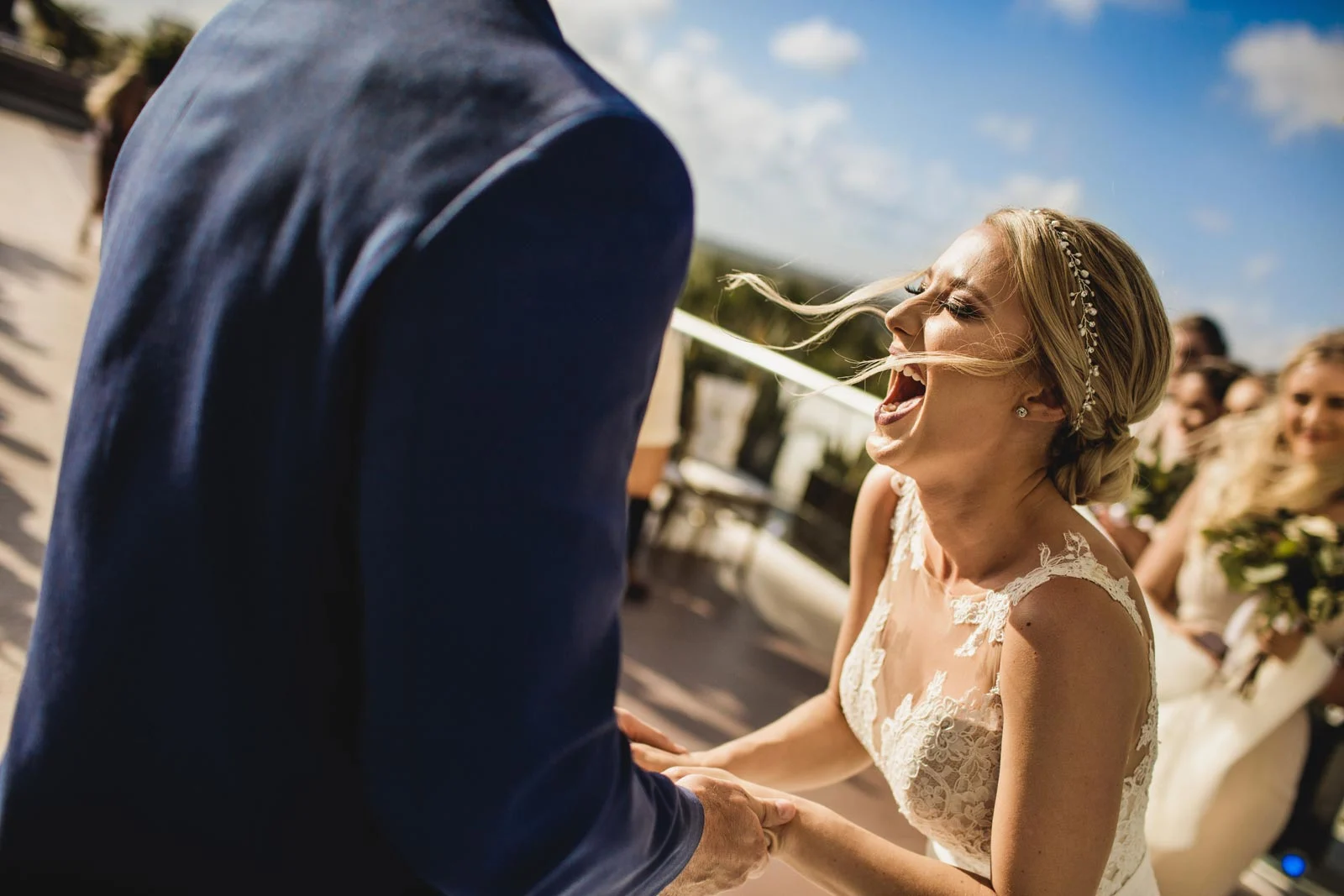
Editorial documentary photography values imperfect, emotional truth over staged perfection: the wind catching your veil, tearful reactions during parent dances, and uninhibited celebration on the dance floor. Trust your creative team completely, let go of expectations, and immerse yourself fully in the experience of the day.
Wedding Fashion, Beauty and Personal Styling
Choosing a Wedding Dress for Tropical Weather
When selecting bridal couture for the Mexican Caribbean, consider both beauty and comfort. Heavy ballgowns crafted from non-breathable synthetic fabrics can become uncomfortable in coastal warmth. Look for lightweight construction, airy corsetry, and gowns with movement that catch coastal ocean breezes.
Breathable Fabrics, Movement and Destination-Friendly Silhouettes
Opt for natural, breathable luxury fabrics: silk chiffon, French tulle, crepe de chine, organza, and delicate Chantilly lace. Sleek slip silhouettes, modern A-line cuts, and gowns with detachable overskirts allow you to maintain a dramatic formal look during the ceremony while moving freely during the reception.
Groom’s Attire: Tailoring, Fabrics and Styling in Warm Climates
Grooms can achieve elevated elegance without overheating by selecting lightweight, unlined tailoring. Linen-silk blends, tropical wools, and fine cotton suits in shades of sand, stone, midnight navy, or classic black tuxedo styling for formal ballroom receptions ensure comfort while looking impeccably tailored.
Hair and Makeup That Withstand Humidity
Tropical coastal humidity requires specialized beauty artistry. Hire professional destination hair and makeup artists experienced with high-end bridal beauty in warm climates. Airbrush foundations, silicone-based primers, waterproof eye products, and matte setting sprays guarantee that makeup stays luminous without melting.
Beauty Trials, Touch-Ups and Getting-Ready Schedules
Schedule a comprehensive hair and makeup trial during your planning trip or 2 to 3 days prior to the wedding day on property. On the wedding day, allocate at least 4 to 5 hours for the bridal party’s glam schedule, ensuring the bride is finished 45 minutes before departure for relaxed portraits.
Shoes, Accessories and Practical Considerations for Sand
Stilettos sink directly into beach sand and can catch on wooden boardwalks. For beachfront vows, choose block heels, chic bridal wedges, or consider walking down the aisle barefoot with decorative anklets, saving designer pointed-toe pumps for paved terrace dinners.
Food, Drinks and the Guest Experience
Designing a Memorable Welcome Dinner
The welcome party sets the tone for the entire destination weekend. Opt for a relaxed, festive contrast to the formal wedding dinner: a casual beachfront taco bar with live salsa music, a sunset mezcal tasting on a rooftop terrace, or an intimate seafood grill where guests can mingle and shake off travel fatigue.
Cocktail Hour, Signature Drinks and Thoughtful Hospitality
Greet guests arriving at the ceremony with chilled coconut water infused with lime or refreshing sparkling water. During cocktail hour, present two distinct signature cocktails—such as a smoked rosemary mezcalita and a passionfruit tequila spritz—paired with fresh local ceviches, tuna tostadas, and gourmet empanadas.
Local Mexican Ingredients with Refined Contemporary Cuisine
Elevate your wedding banquet by highlighting the rich culinary heritage of the Yucatan Peninsula. Incorporate fresh regional ingredients like achiote, habanero-infused honey, local grouper, and Mexican cacao into refined plated courses that celebrate local culture through a fine-dining lens.
Dietary Requirements and Personalised Menus
Collect guest dietary preferences (vegan, gluten-free, shellfish allergies) early via your wedding RSVP cards. A high-level catering team will seamlessly accommodate dietary needs with custom-crafted alternative plates that feel just as luxurious as the primary menu.
Live Music, DJs and Entertainment
Curate your musical landscape to reflect the day’s progression. Begin with acoustic Spanish guitar or a live string trio during the ceremony and cocktail hour, transition to a sophisticated bossa nova or jazz ensemble during dinner, and introduce a premier destination DJ accompanied by live saxophone or percussion to ignite the dance floor.
Sound Restrictions, Event Curfews and Production Logistics
Due to environmental wildlife protections and local municipal bylaws, outdoor music along the beaches of the Riviera Maya, Cancun, and Tulum must typically conclude by 10:30 PM or 11:00 PM. To continue celebrating, plan an indoor afterparty in a soundproof ballroom or private lounge where music can run until 2:00 AM or later.
Small Details That Make Guests Feel Genuinely Looked After
Thoughtful hospitality is remembered long after the weekend concludes: customized welcome bags with local artisanal snacks, hydration packets, personalized hand fans placed on ceremony chairs, insect repellent stations at dusk, and flip-flops or slippers for dancing.
Beyond the Wedding Day: The Complete Celebration
Welcome Parties and Rehearsal Dinners
A multi-day itinerary allows you to spend meaningful, quality time with every guest. Host your rehearsal dinner on Thursday or Friday evening in an intimate setting, followed by an open welcome cocktail party where all arriving guests can connect over drinks and light bites.
Pool Parties and Relaxed Pre-Wedding Gatherings
Dedicate the morning before the wedding to unhurried relaxation: reserve private cabanas around the resort pool, organize a casual beach volleyball game, or arrange private spa treatments for the bridal party to unwind.
The Wedding Day: Ceremony, Cocktails and Reception
The focal point of the weekend. Structure the day with ample buffer time so that preparations remain calm, transitions feel seamless, and you can fully immerse yourself in the celebration from the first look through the late-night afterparty.
Farewell Brunches and Post-Wedding Experiences
Conclude the weekend with a relaxed Sunday farewell brunch. An open-air buffet featuring fresh tropical fruits, espresso bars, and chilaquiles provides a casual environment to relive memories from the night before before guests depart for the airport.
How to Create a Coherent Multi-Day Celebration
Ensure that each event within your wedding weekend possesses its own distinct aesthetic and energy. A vibrant, colorful welcome party leads naturally into a sophisticated, formal black-tie wedding day, culminating in a breezy, barefoot Sunday recovery brunch.
Photography Coverage Across Multiple Events
Investing in multi-event photography coverage allows your visual story to capture the complete atmosphere of the weekend. Documenting the casual joy of the welcome party and the relaxed energy of the farewell brunch provides a rich, multi-dimensional record of your destination journey.
Avoiding Guest Fatigue While Making Every Event Feel Special
Resist the urge to over-schedule your guests. Plan one curated event per day and leave mornings and early afternoons completely free for guests to nap, explore the beach, or relax at their own leisure.
Planning Guest Travel and Accommodation
Choosing the Most Convenient Airport and Transfer Options
International guests traveling to the northern and central Riviera Maya (Cancun, Playa Mujeres, Mayakoba, and Puerto Morelos) should fly into Cancun International Airport (CUN). For weddings in Tulum, Akumal, or southern Riviera Maya, compare flight options into the newly opened Felipe Carrillo Puerto International Airport in Tulum (TQO), which offers a convenient 35-minute transfer to the coast.
Cancun International Airport and Ground Transportation
Navigating ground transfers smoothly requires organizing private, pre-arranged luxury transportation. Avoid public airport taxis. Partner with a trusted destination management company (DMC) to provide uniformed greeters and private air-conditioned vans directly to the resort gates.
Hotel Room Blocks, Booking Deadlines and Guest Budgets
Establish hotel room blocks at your wedding venue as well as an alternative, budget-friendly nearby property. Negotiate contracted room block rates with cut-off deadlines 60 to 90 days prior to the event, ensuring guests have clear booking instructions on your wedding website.
Travel Information, Wedding Websites and Guest Communication
Launch your wedding website at least 8 to 10 months in advance. Include detailed information regarding airport recommendations, passport validity requirements (at least 6 months remaining), private transfer booking links, dress codes for every event, and currency guidance.
Accessibility, Children and Guests with Additional Needs
Evaluate your chosen venue for accessibility if hosting elderly family members or guests with strollers. Ensure that wooden ramps or paved pathways are available for beach venues, and communicate with resort staff to arrange dedicated golf cart transport for those who need assistance.
Planning Around Arrivals, Departures and Flight Delays
Designate an arrival window on Thursday afternoon to allow guests ample time to settle in before evening welcome events begin. Your wedding planner or transport coordinator should monitor flight manifests in real time to adjust airport pickup schedules seamlessly.
How to Make the Destination Experience Feel Effortless
Clear, proactive communication removes travel anxiety. Provide guests with a printed digital itinerary in their welcome basket, complete with emergency contacts, event shuttle departure times, and local recommendations.
Legal Requirements, Contracts and Destination Logistics
Symbolic Ceremonies vs. Legally Recognised Civil Marriages
The vast majority of international couples (over 90%) choose to host a symbolic wedding ceremony in Mexico while completing their legal civil marriage paperwork in their home country prior to travel. Symbolic ceremonies are completely indistinguishable to guests, eliminate bureaucratic paperwork, and allow total freedom in crafting personalized vows.
Marriage Documentation and Requirements for Foreign Couples
Couples wishing to execute a legally binding Mexican civil marriage must plan for administrative requirements: valid passports, tourist visas, certified blood tests conducted in Mexico, certified translation and apostille of birth certificates, and the presence of four legal witnesses.
Vendor Contracts, Deposits, Cancellation Clauses and Force Majeure
Ensure that all independent vendor agreements clearly outline scope of work, delivery timelines, payment schedules, cancellation policies, and robust *force majeure* clauses addressing extreme tropical weather events or unforeseen travel disruptions.
Permits, Resort Rules, Music Restrictions and Event Policies
Private venues and national park areas (such as Sian Ka’an or coastal dunes) may require federal environmental permits. Verify that your planner has secured all necessary permits and understands property sound curfews.
Importing Décor, Bringing Personal Items and Local Sourcing
Avoid shipping large decorative items to Mexico through international couriers, as customs tariffs and border delays can lead to lost inventory. Work with local floral designers and rental companies to source decor locally, bringing only personal styling items (wedding attire, stationery, jewelry) in your carry-on luggage.
Insurance, Contingency Planning and Financial Safeguards
Purchase comprehensive destination wedding insurance that covers vendor defaults, severe weather cancellations, and medical emergencies. Ensure your event budget includes a 5% to 10% contingency fund to absorb unexpected logistical needs.
What to Confirm with Your Planner and Relevant Authorities
Confirm final guest counts, banquet seating charts, vendor arrival schedules, power generator load capacities, and rain call deadlines at least two weeks prior to arrival.
A Realistic Luxury Planning Timeline
12–18 Months Before: Vision, Budget, Venue and Planner
Define your overall wedding budget, research destination regions, interview and hire your full-service luxury wedding planner, and secure your primary venue contract and date.
9–12 Months Before: Photography, Catering and Design
Book your independent editorial wedding photographer and cinematographer, develop your creative design deck and floral concept, select your catering and beverage programs, and reserve room blocks.
6–9 Months Before: Invitations, Accommodation and Guest Travel
Launch your wedding website, send out formal invitations with RSVP deadlines, conduct an on-site tasting and design mockup trip in Mexico, and lock in entertainment and musical acts.
3–6 Months Before: Fashion, Menus, Entertainment and Logistics
Finalize bridal fashion and groom’s tailoring, confirm menu selections and specialty cocktail pairings, arrange guest transportation schedules, and book hair and makeup artists.
1–3 Months Before: Confirmations and Final Schedules
Collect final RSVPs, finalize seating charts and day-of timelines, review rain contingency layouts, and distribute detailed itineraries to all creative vendors.
The Final Week: Weather Monitoring and Vendor Coordination
Arrive in Mexico 3 to 4 days prior to the wedding, conduct hair and makeup trials, meet with your planner and photographer for final walkthroughs, and welcome arriving guests.
The Wedding Day: Practical Timeline from Getting Ready to the Last Dance
12:00 PM: Bridal preparations, detail styling, and relaxed champagne toasts in suite.
3:30 PM: Hair and makeup complete; bride dresses.
4:00 PM: Private First Look and relaxed couple portraits in shaded architectural corridors.
4:45 PM: Guests arrive for ceremony, greeted with chilled coconut water and acoustic music.
5:00 PM: Ceremony begins under soft ambient coastal light.
5:30 PM: Ceremony concludes; champagne toast.
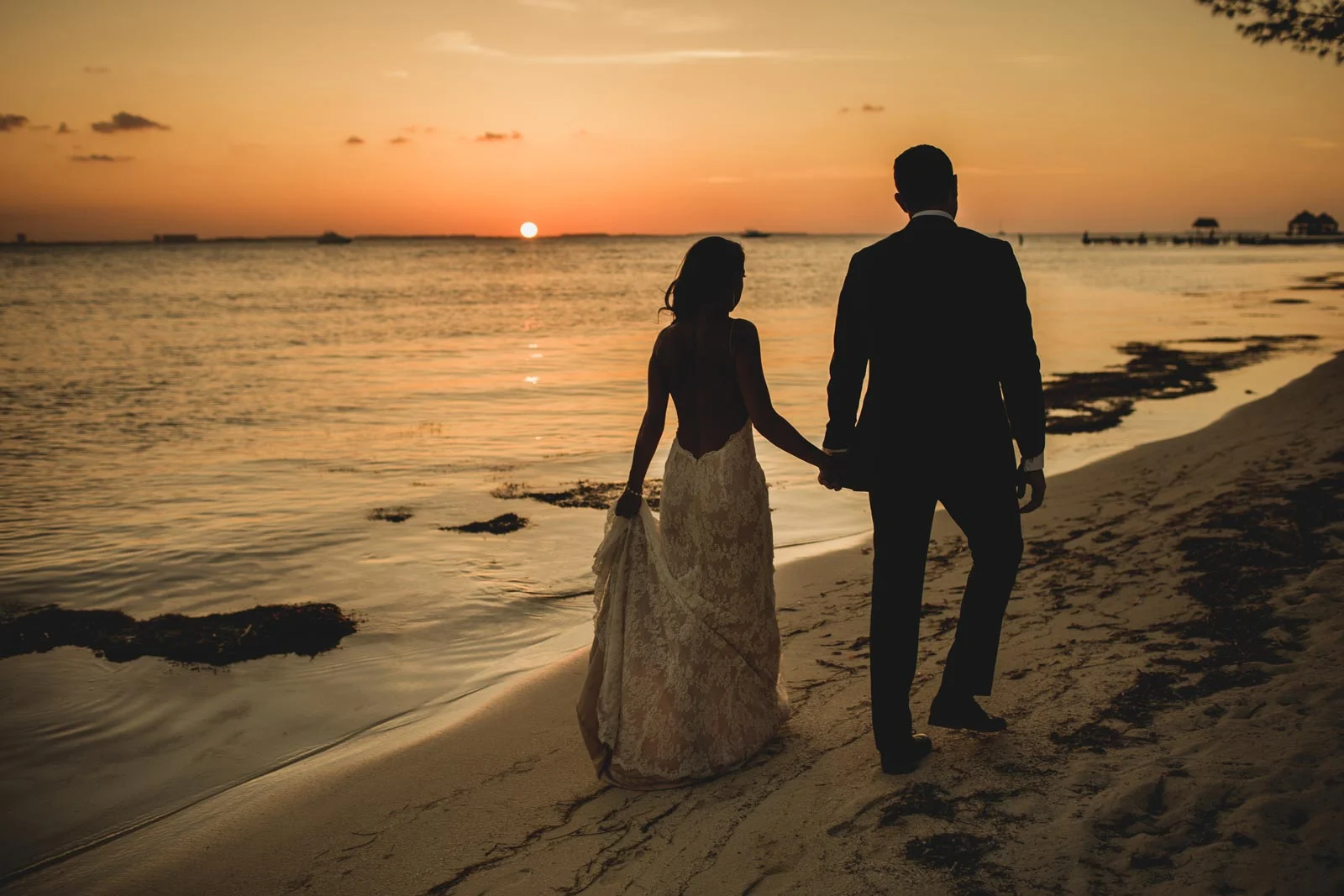
5:45 PM: Golden hour couple portraits along the beach while guests enjoy cocktail hour.
6:45 PM: Guests seated for open-air reception dinner.
7:00 PM: Grand entrance, three-course dinner service, and heartfelt toasts.
8:30 PM: First dance, parent dances, and cake cutting.
8:45 PM: Dance floor opens with live band or DJ.
11:00 PM: Outdoor sound curfew; transition to indoor ballroom afterparty.
2:00 AM: Late-night food station and grand send-off.
The Final Luxury Wedding Checklist
Questions to Answer Before Choosing Riviera Maya
Have you evaluated whether you prefer the convenience of an ultra-luxury all-inclusive resort (such as Grand Velas or Secrets Maroma) or the complete creative autonomy of a private villa or boutique estate (such as Belmond Maroma, NIZUC, or Villa La Joya)? Does your guest list accommodate international travel and flight transfers comfortably?
Venue and Planner Booking Checklist
- Full-service destination planner vetted, contract signed, and retainer submitted.
- Primary venue contracted with confirmed date, sound curfew guidelines, and indoor rain backup room secured.
- Room blocks established with clear guest booking links and expiration deadlines.
Photography and Creative Vendor Checklist
- Independent editorial photographer and cinematographer booked with full-day or multi-day coverage.
- Floral designer and production company confirmed with complete design deck approval.
- Live musicians, DJ, and professional audio/lighting technicians contracted.
- Bridal hair and makeup team secured with pre-scheduled trial times.
Guest Travel and Hospitality Checklist
- Wedding website active with detailed airport, transfer, and dress code information.
- Private ground transportation booked for all airport arrivals and wedding events.
- Welcome gifts and printed weekend itineraries prepared for hotel distribution.
Weather and Contingency Checklist
- Dedicated rain plan venue established with clear deadline for day-of decisions.
- Backup power generators and weather-resistant floral structural rigging confirmed.
- Comprehensive destination wedding insurance policy active.
Final Budget Review and Outstanding Payments
- All final guest counts submitted to venue and catering teams.
- Mandatory Mexican taxes (16% IVA) and service charges calculated on all final invoices.
- Cash gratuity envelopes organized for dedicated banquet staff, setup crews, and drivers.
The Final Decisions That Make the Entire Experience Feel Effortless
Trust your creative team completely. Once you arrive in Mexico, release management of the schedule to your planner and photographer. The true beauty of a luxury destination wedding lies in allowing yourself to be entirely present—celebrating each unscripted, breathtaking moment under the Caribbean sky.
Is Riviera Maya Right for You?
The Riviera Maya is an ideal choice for couples who value:
- Unmatched Geographical Diversity: The ability to celebrate among pristine turquoise beaches, private mangrove canals, dramatic cenotes, and historic colonial ruins.
- World-Class Luxury Hospitality: Access to Forbes Five-Star resorts, Michelin-starred culinary talent, and Five Diamond service standards.
- Seamless Accessibility: Direct international flights into Cancun and the new Tulum International Airport, providing convenient travel for global guests.
- Refined, Intentional Design: A landscape that naturally complements timeless, editorial destination wedding photography.